Research evidence guide
BPC-157: what the evidence actually shows.
A practical map of the preclinical record, the clinical evidence gap, and the questions a research buyer should resolve before comparing available formats.
Evidence snapshotA 2025 systematic review included 36 studies: 35 preclinical studies and one clinical study. The authors found no clinical safety data.[1]
Compare current prices and formats.
For qualified non-clinical research buyers. Not for human or veterinary use.
Disclosure: We may earn a commission from purchases made through our links.
Powder
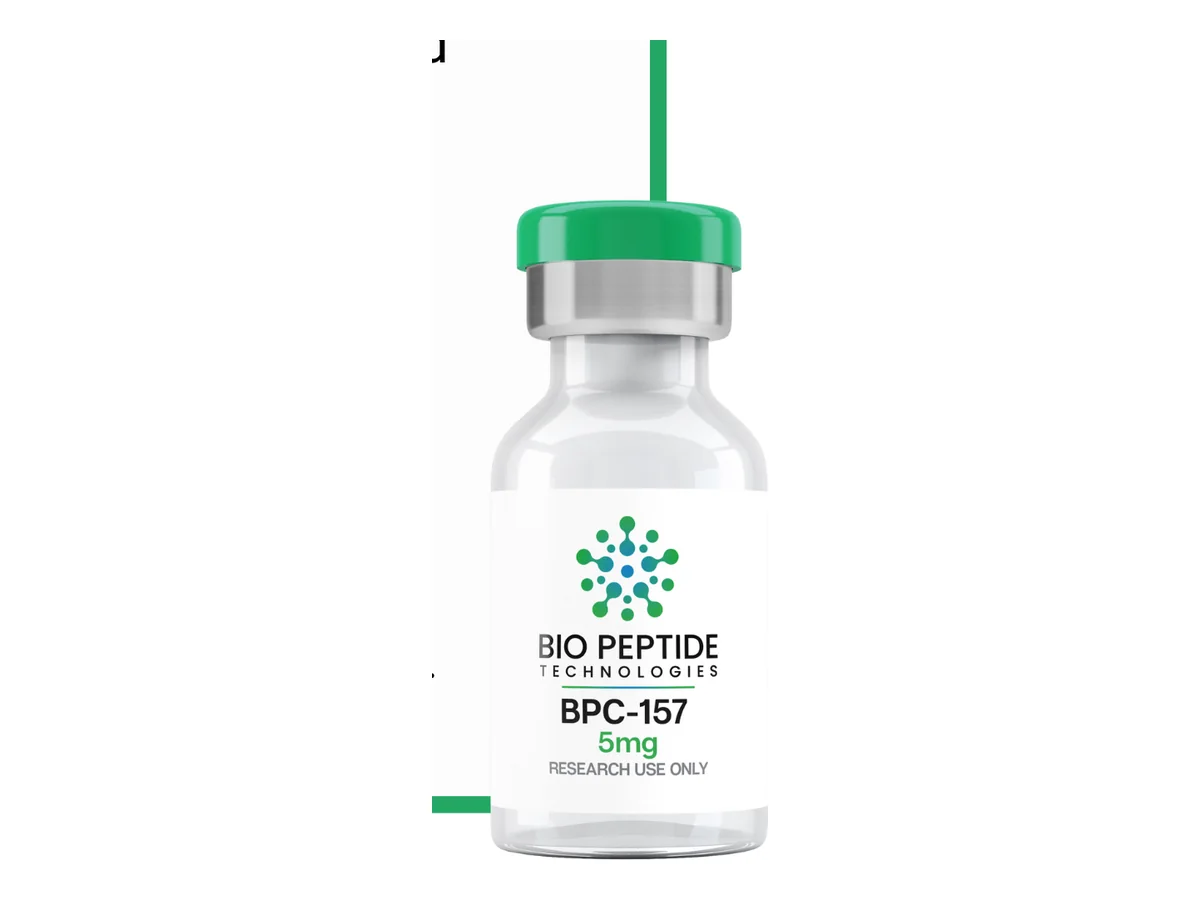
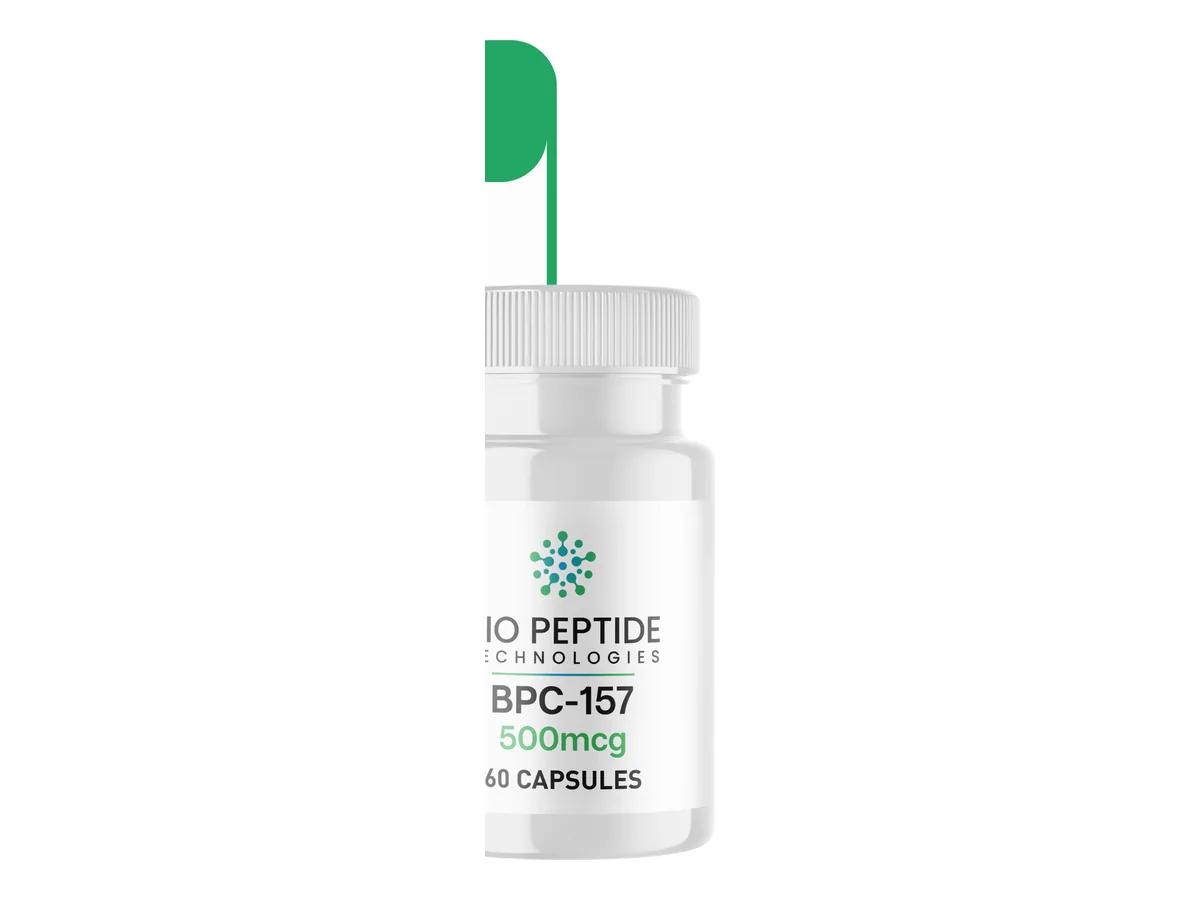
BPC-157 500 mcg Powder
- Strength
- 500mcg
- Current price
- $43.00
- Status
- Currently unavailable
Lyophilized Powder
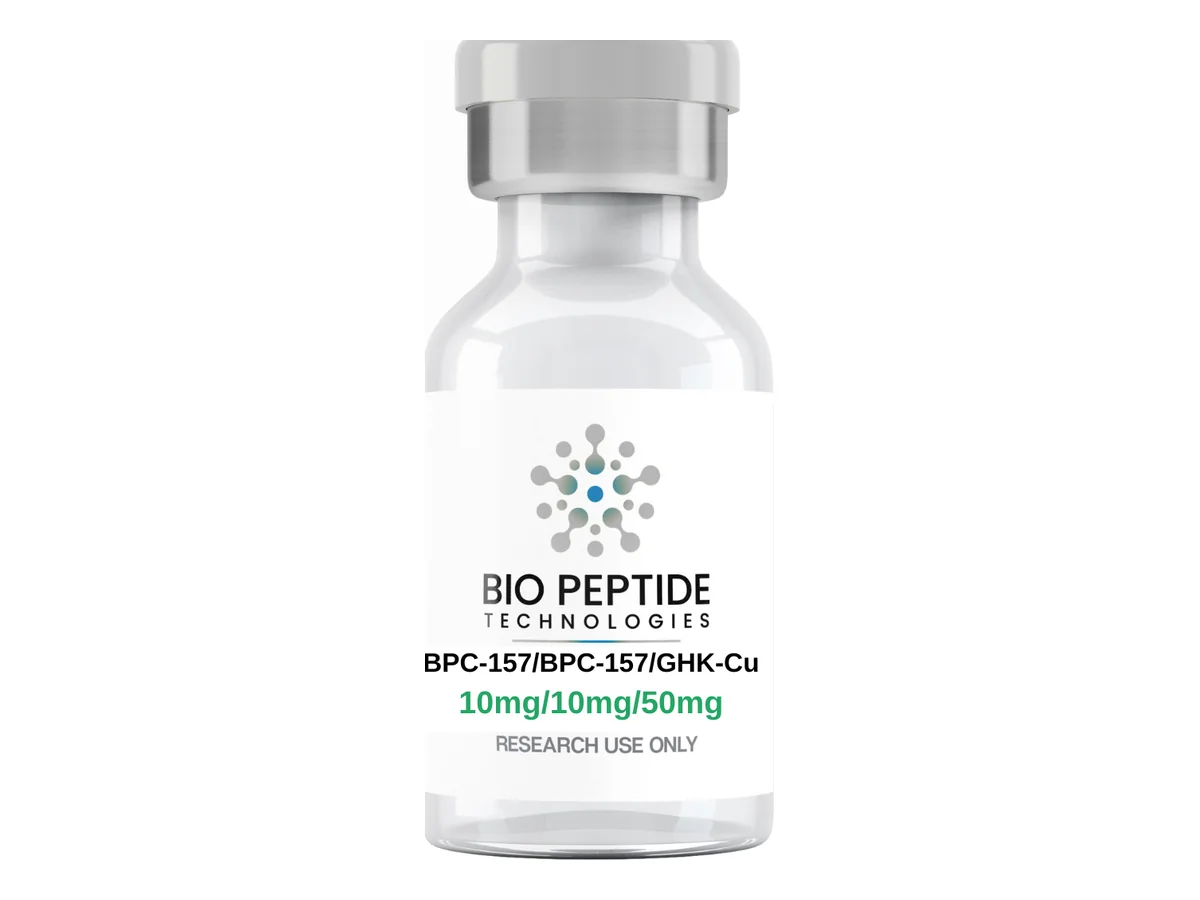
GLOW - BPC 157 (10mg) - TB 500 (10mg) - GHK-Cu (50mg)
- Strength
- 70mg Total (BPC-157 10mg + TB-500 10mg + GHK-Cu 50mg)
- Current price
- $75.00
- Status
- Available
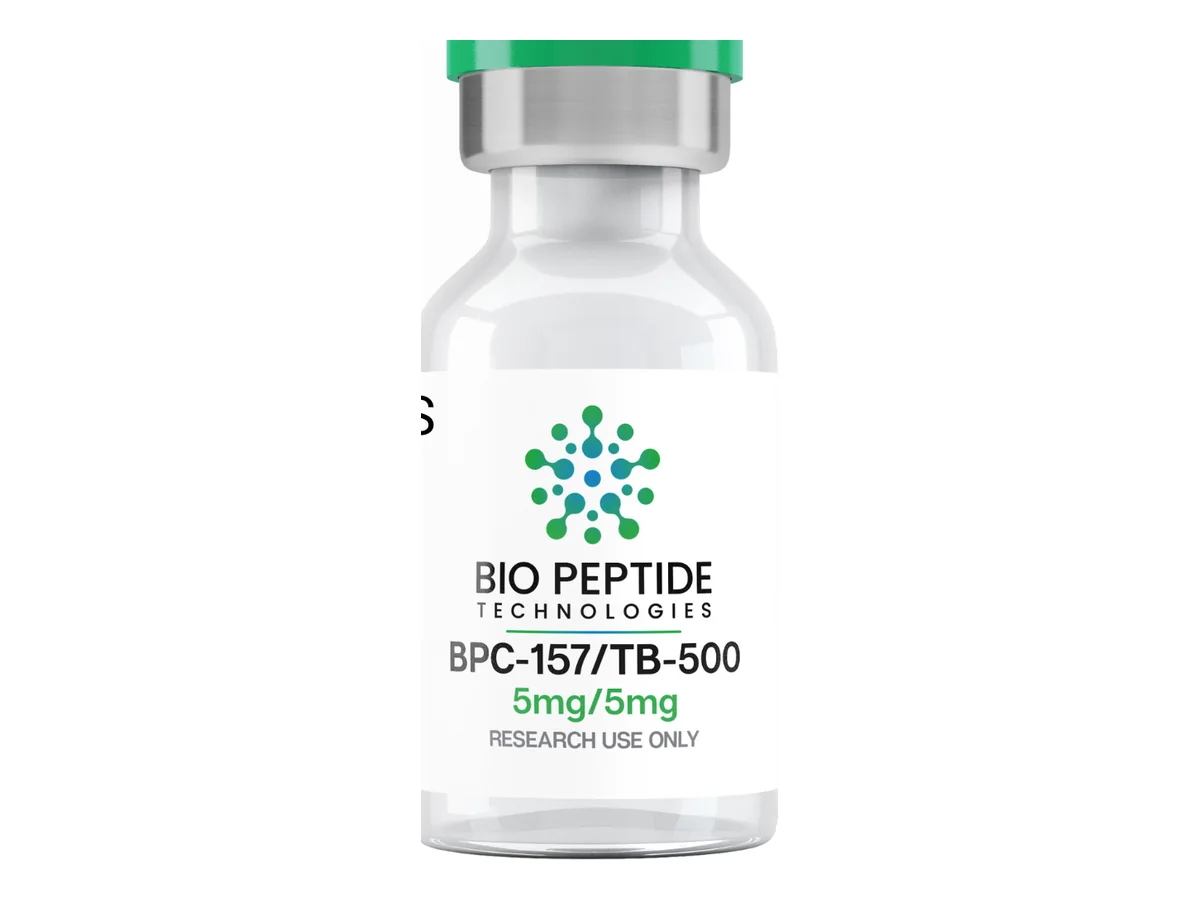
Lyophilized Powder
BPC-157 5mg -TB 500 5mg Blend
- Strength
- 10mg Total (BPC-157 5mg + TB-500 5mg)
- Current price
- $54.00
- Status
- Available
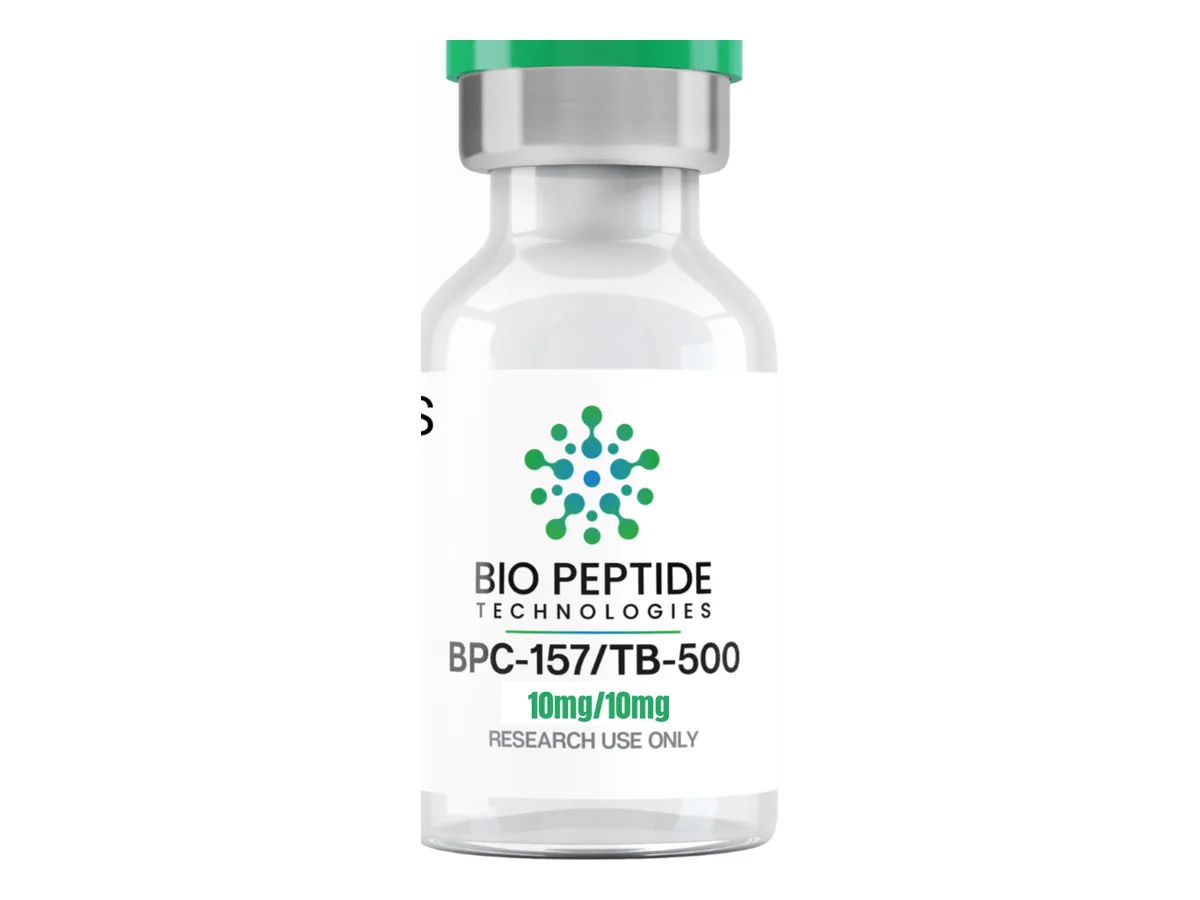
Lyophilized Powder
BPC-157 10mg -TB 500 10mg Blend (20mg)
- Strength
- 20mg Total (BPC-157 10mg + TB-500 10mg)
- Current price
- $69.00
- Status
- Available
The research record is predominantly preclinical
The systematic review reported findings from muscle, tendon, ligament and bone injury models, while emphasizing that nearly the entire included evidence base was preclinical.[1] Those results describe experimental models; they do not establish a therapeutic benefit, safe use, or an approved indication in people.
What researchers have studiedMechanistic pathways and outcomes in cell and animal models, including tissue-repair and inflammatory signaling questions.[1]
What remains unresolvedClinical safety, validated human dosing, approved formulations and later-stage clinical evidence.[1][2]
Translation remains the central limitation
A 2026 biopharmaceutical review described BPC-157 as investigational and reported no approved formulation, no validated dosing regimen and no completed Phase II clinical trial.[2] That gap is why PRX treats the literature as research background—not as evidence that a particular commercial lot will produce the findings reported in a paper.
Important distinction: a publication about BPC-157 does not verify the identity, purity, composition, documentation or performance of a seller’s product. Product-specific questions require current lot and supplier documentation.
Regulatory and safety context
The FDA states that compounded drugs containing BPC-157 may pose immunogenicity and peptide-impurity risks, and that the agency has insufficient safety-related information to know whether administration would cause harm in humans.[3] PRX therefore provides no administration, dosing, therapeutic, diagnostic, human-use or veterinary-use guidance.
A procurement checklist for research teams
- Match the exact identity, strength and formulation to the approved research protocol.
- Request and review current lot documentation rather than relying on general literature.
- Confirm analytical methods, lot identifiers, storage requirements and acceptance criteria.
- Verify shipping eligibility, fulfillment terms and returns before ordering.
- Record receipt condition, storage conditions and chain-of-custody information.
Compare the available research formats
The listings below are presented only as current catalog options for qualified non-clinical research procurement. Their inclusion does not mean that PRX has independently verified a lot or that research findings apply to a particular product.