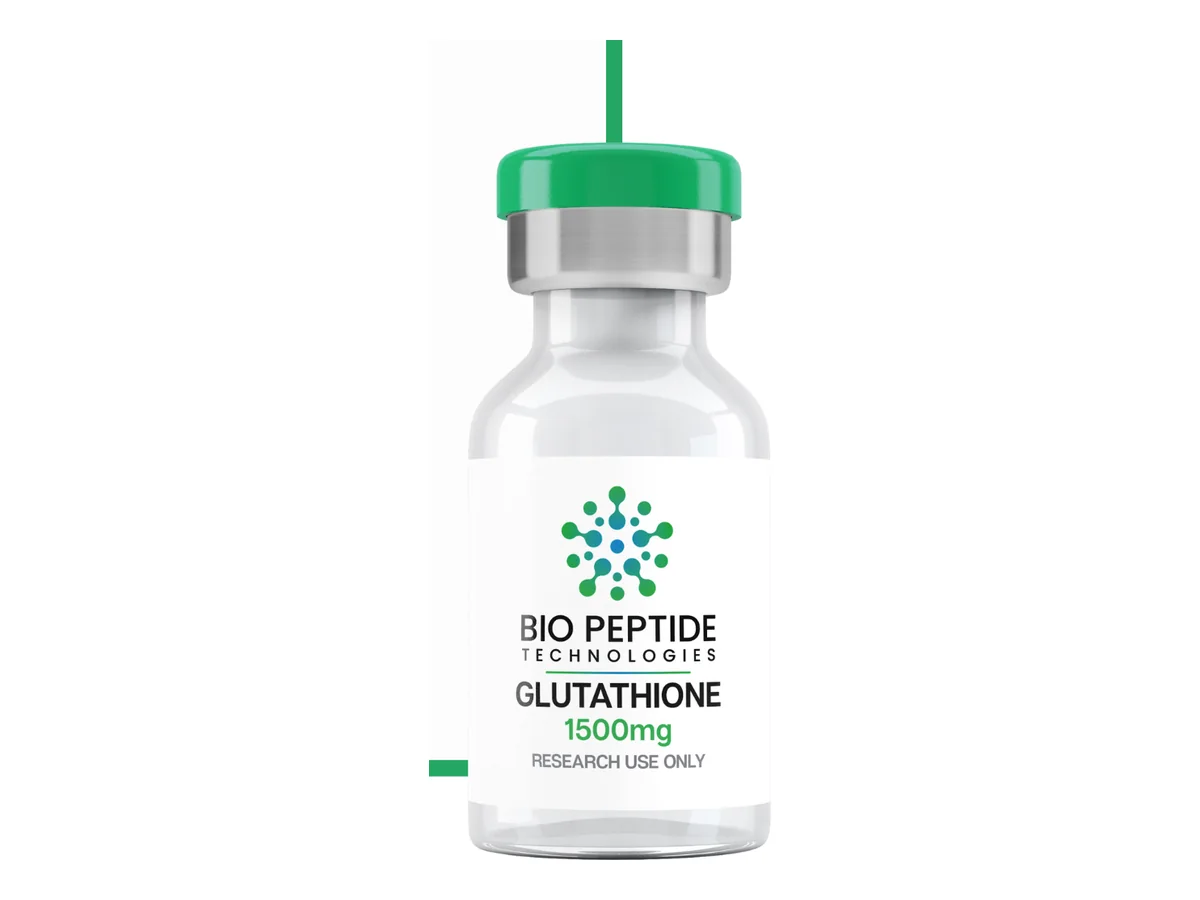
Current same-identity listing
Ipamorelin 5mg
- Identity
- Ipamorelin
- Labeled quantity
- 5mg
- Format
- Lyophilized Powder
- Price
- $24.00
- Availability
- Available
- Price / labeled mg
- $4.80
Peptide supplier with COA comparison · updated 2026-09-22
A supplier saying that a COA exists is only the first checkpoint. Compare the exact identity, labeled quantity and format, current price and availability, then match the document to the expected lot, method, result and issuer before a non-clinical research order.
Current listing comparison
These same-identity pairs show the fields a qualified buyer can compare before opening the seller page. Prices and availability were checked against the live seller catalog on 2026-09-22. Price per labeled milligram is a catalog-cost comparison, not dosing guidance.
Disclosure: We may earn a commission from purchases made through our links.
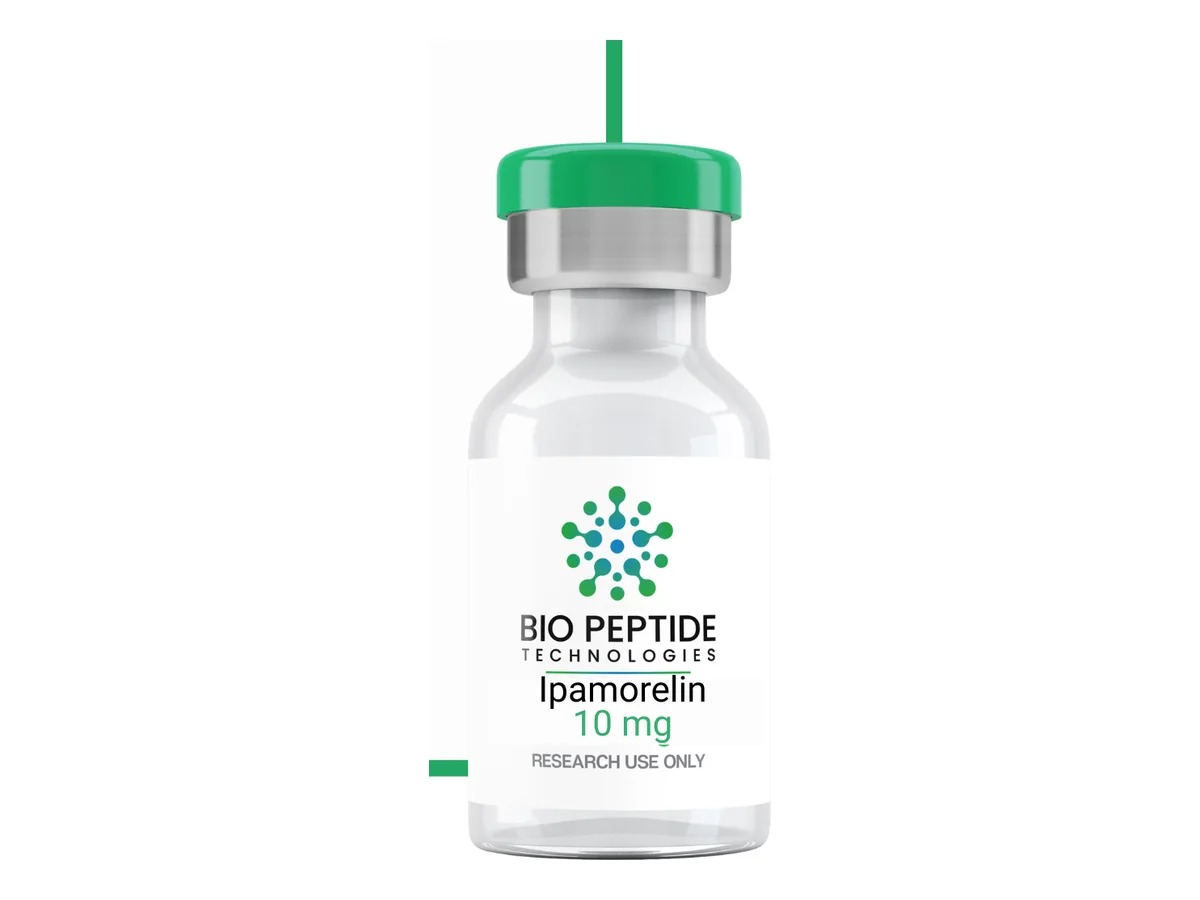
Current same-identity listing
Current same-identity listing
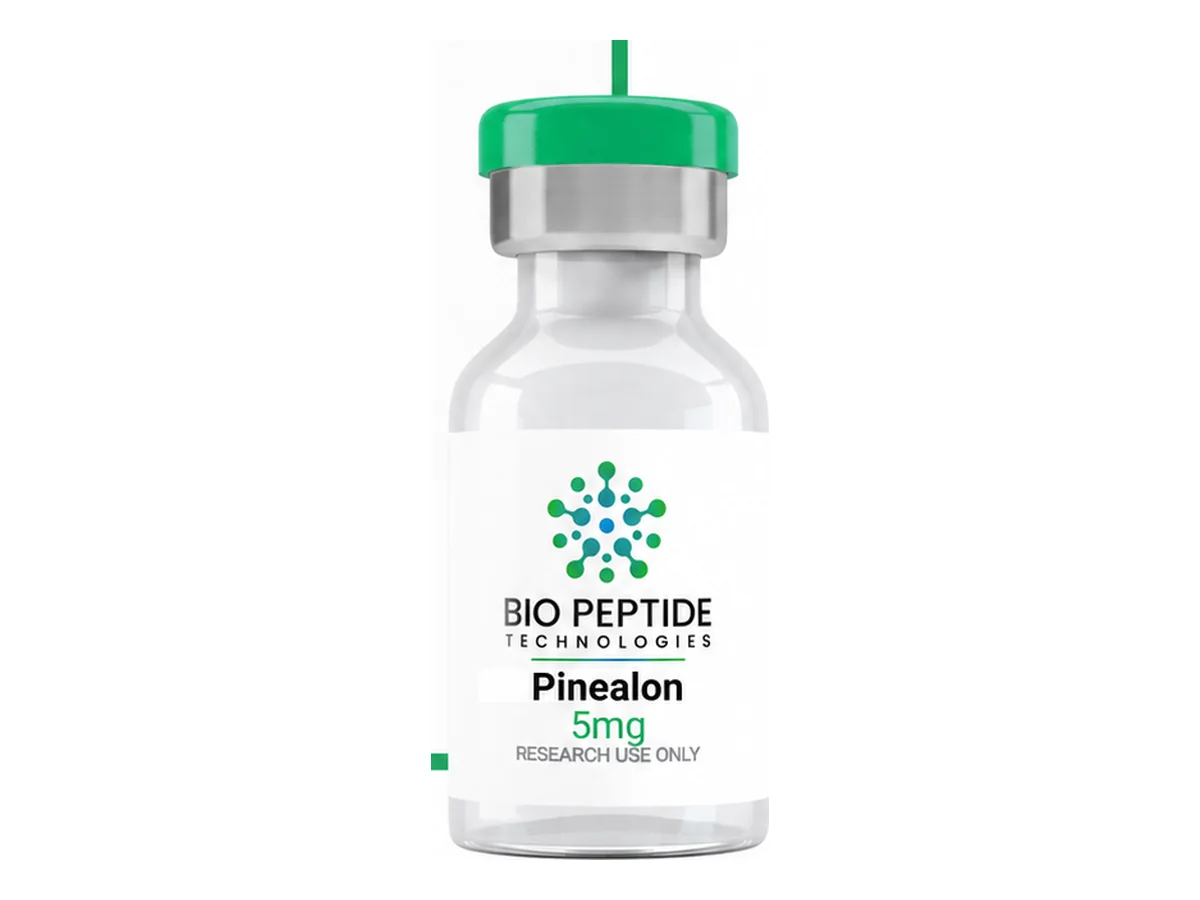
Current same-identity listing
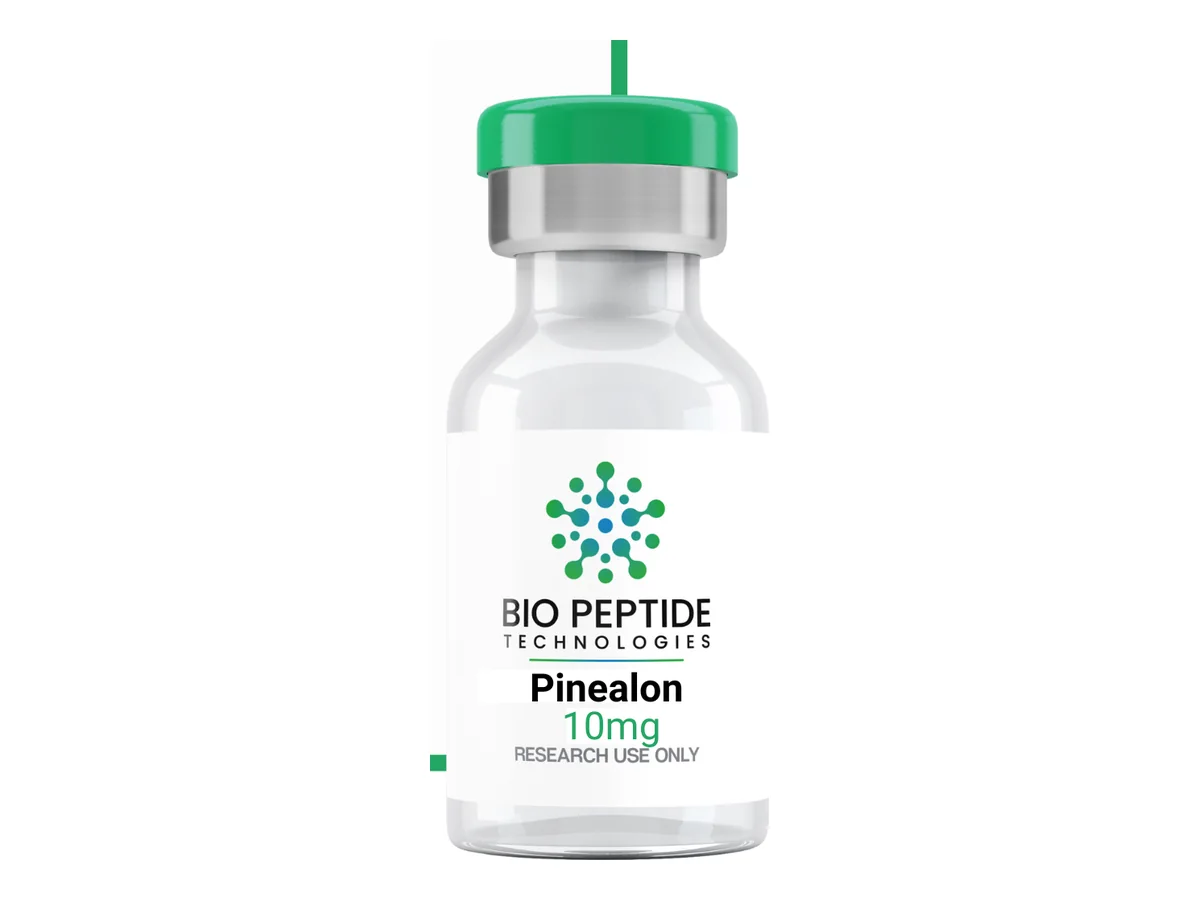
Current same-identity listing
Seller listings are presented for qualified non-clinical research procurement and are not for human or veterinary use. General supplier criteria do not certify any seller or product. Confirm the current seller page, documentation, destination eligibility and cart total before purchase. Save 15% with affiliate code 15%OFF on eligible purchases only; confirm eligibility in the seller cart.
COA supplier verification
Use the current exact-listing comparison above to screen identity, quantity, format, price and availability. Then request or open the document for the lot that will actually ship. A generic or prior-lot report is not a match for a current batch.
| Check | What to match | Do not infer |
|---|---|---|
| Material identity | Exact compound name, naming convention, labeled quantity or concentration, and format | A similar name, catalog category or product photograph proves identity |
| Lot connection | Lot or batch identifier on the document, listing or shipment record | One report represents every current or future lot |
| Method and result | Named analytical method, reported result, units, acceptance basis and test date | One method establishes identity, purity, sterility, endotoxin status or every other attribute |
| Issuer | Named laboratory or document issuer and any report identifier supplied | “Third-party tested” supplies the missing laboratory, method or result |
| Receiving match | Purchase order, received label, lot, quantity, format and saved document | The ordered and received materials are identical without a receiving check |
Use the research peptide COA reading guide Compare current research peptide prices
The four current examples above include exact approved product routes and seller-listed facts checked on 2026-09-22. PRX does not claim that a current public lot-specific COA was independently verified for those listings. Confirm documentation, shipping eligibility, terms and cart total directly before purchase.
Wholesale and bulk procurement
The current exact examples above are seller-listed single-unit research formats. They establish the displayed identity, labeled quantity, format, unit price and availability checked on 2026-09-22; they do not by themselves establish wholesale packs, minimum quantities, volume discounts, reserved lots, business geography or shipment eligibility. Request current written terms for every larger or repeat purchase.
Record units per case, labeled quantity per unit, number of units and whether the quote covers one lot or multiple lots. Do not convert a single-vial listing into an assumed bulk pack.
Match the quote to the seller title, SKU or handle, compound identity, labeled quantity and format. Similar names and different strengths are separate procurement records.
Capture unit price at each written quantity tier, minimum order, shipping, fees, expiration and discount eligibility. Compare landed cost only on the same identity and quantity basis.
Ask whether the quoted quantity comes from one lot, which lot-specific documents are available, and how substitutions or split lots will be disclosed before fulfillment.
A current available unit listing does not prove the requested larger quantity is allocated. Record written availability, lead time and any back-order or partial-shipment terms.
Document receiving checks, support contact, replacement or refund terms, and the owner who can hold a mismatched identity, quantity, lot or document.
| Quote field | Capture | Unresolved when |
|---|---|---|
| Exact material | Seller title, SKU/handle, identity, labeled quantity and format | The quote uses only a nickname or category |
| Quantity tier | Units, quantity per unit, tier price, minimum and expiration | “Wholesale” or “bulk” has no written quantity basis |
| Lot and documents | Allocated lot or lots and the matching current documentation | The supplied report cannot be tied to the quoted lot |
| Landed cost | Merchandise, shipping, fees and any eligible discount | The total cannot be reconstructed |
| Availability | Allocated quantity, lead time and partial-shipment terms | A single-unit stock label is the only availability evidence |
| Resolution | Receiving checks, contact, return/replacement terms and owner | No documented path covers a mismatch |
Downloadable RFQ record
Use one row for each written supplier quote. The 36-field CSV keeps the requested material separate from the quoted listing, then records proposed lot allocation, document fit, written volume terms, landed cost, shipment confirmation and discrepancy terms.
RFQ template updated 2026-09-22 · 36 fields
Editable supplier assessment
Use this supplier evaluation template in Excel for one supplier review at a time. Fourteen evidence-led rows separate the review item, acceptance basis, expected evidence, actual evidence, finding, corrective-action owner and approval decision—so missing information cannot disappear inside a single score.
Record the supplier, exact listing, intended non-clinical context, buyer jurisdiction, labeled quantity and format.
Date availability, price, order minimum, volume terms, shipping, fees and eligible discount terms instead of treating them as permanent.
Classify documentation as exact-lot, prior-lot, example or unresolved; preserve named methods, results, units, dates and issuer literally.
Define checks for identity, quantity, lot, package condition and document receipt before material enters inventory.
Give each discrepancy or corrective action an owner and due date, and trigger review when material, format, lot or supplier changes.
Use Verified, Partial, Unresolved or Not applicable for evidence status, then record Pending, Approve, Hold or Reject separately.
Supplier audit workbook updated 2026-09-22 · 14 review rows · 21 evidence and decision fields
Procurement framework
Use this research reagent sourcing and procurement framework to compare suppliers consistently. A low unit price becomes expensive when identity, lot documentation, storage, fulfillment or discrepancy handling cannot be verified.
Confirm the supplier’s buyer terms match your organization and intended professional research work.
Record the catalog name, SKU, stated format, quantity and lot number. Avoid nicknames.
“COA available” is not the same as reviewing the current document tied to the expected lot.
Separate general seller statements from evidence supporting the exact material and batch.
Purchase records, storage and downstream communication must remain consistent with non-clinical use.
Capture temperature, light, humidity, freeze-thaw and stability details where documentation provides them.
Match identity, purity or quantity claims to suitable methods and a named testing source where available.
Use verified specifications and batch records—not a headline—as procurement evidence.
Capture cutoff, method, threshold and destination eligibility at the time of ordering.
Understand final-sale terms before ordering; they increase the value of pre-purchase verification.
Document support and escalation paths for damaged shipments, lot mismatches or missing reports.
Affiliate compensation must be obvious and adjacent to the recommendation or tracked link.
Assay reagent sourcing
For assay reagents, a matching product name is not enough. Record the intended platform, method, sample matrix, controls and acceptance criteria before comparing price or approving a substitute. PRX’s current commercial catalog is peptide and research-material focused; this section is a procurement framework, not an assay-reagent product category.
Record the instrument, method version, workflow stage and intended analytical measurement so compatibility can be assessed against the actual protocol.
Document the sample type, matrix, concentration range and known interferents. Do not assume performance transfers across matrices or methods.
List positive, negative, blank and system-suitability controls required by the laboratory’s method before selecting a reagent or replacement.
Keep the laboratory’s predefined identity, recovery, precision, sensitivity or other applicable criteria with the purchasing record.
Identify whether the method requires a lot-to-lot comparison, bridging run or documented review before a new batch enters routine use.
Record shelf life, storage, shipping conditions, expected lead time and contingency supply without treating an undocumented alternative as equivalent.
Downloadable comparison worksheet
Use one row per exact supplier listing or written quote. The 28-field CSV keeps supplier identity, exact material, current price, lot-document relationship, storage statement, volume terms, landed cost, jurisdiction check and discrepancy terms in one reviewable record.
Worksheet updated 2026-09-22 · 28 comparison fields
Supplier comparison scorecard
Evaluate each candidate against the same evidence. Use verified, partial or unresolved rather than turning missing information into an assumed pass. Keep the completed scorecard with the purchase request.
| Decision field | Evidence to capture | Verified when | Hold when |
|---|---|---|---|
| Exact material | Supplier, catalog name, SKU or source handle, stated format and quantity | The request, listing and approval record identify the same item without nickname matching | Identity, format or quantity is ambiguous |
| Lot documentation | Lot or batch identifier, document title, date, methods and issuing laboratory when stated | The reviewed document can be matched to the expected or received lot | Only a general example or unmatched document is available |
| Intended research use | Internal purpose, qualified purchaser and applicable institutional approval | The planned work and records remain non-clinical and consistent with seller restrictions | The request implies human, veterinary or other prohibited use |
| Storage and continuity | Published storage conditions, shelf-life information when supplied, lead time and contingency record | The laboratory can receive, identify, store and monitor the material as documented | Required conditions are missing or operationally unsupported |
| Fulfillment exposure | Current price, availability observation, shipping terms, destination eligibility and return policy | Total cost and final-sale exposure are accepted before order approval | Destination eligibility or a material commercial term is unresolved |
| Discrepancy control | Support contact, escalation owner, receiving checks and disposition path | A damaged package, lot mismatch or missing document can be quarantined and escalated | No owner or disposition path exists |
Source ledger
Catalog and policy facts were checked on 2026-08-11. Seller pages can change; confirm current information before purchase.